Plinko in the Fast-Play Era: Strategy & Winning Tips
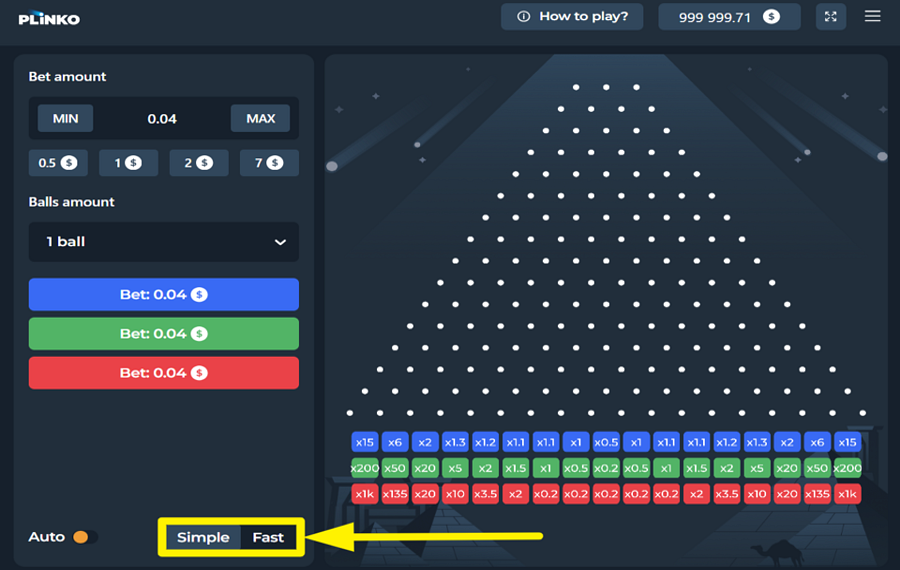
Plinko has emerged as one of the most compelling fast-play formats in the modern crash-game landscape, particularly among international players seeking rapid-fire entertainment with strategic depth. Unlike traditional crash games that demand constant attention to multiplier curves, Plinko offers a uniquely balanced experience where players can engage multiple rounds in compressed timeframes while maintaining meaningful decision-making opportunities. This hybrid nature—combining the thrill of instant outcomes with the contemplative elements of strategic betting—has positioned Plinko as an essential component within diversified crash-game portfolios, especially for mobile-first audiences across Europe, Asia, and Latin America.
Understanding Plinko’s Role in Fast-Play Gaming Ecosystems
Plinko distinguishes itself from conventional crash games through its mechanical simplicity paired with probability-based outcomes. While games like Spribe’s Aviator demand real-time decision-making as multipliers climb unpredictably, Plinko operates on a predetermined path system where a ball drops through pegged rows, ultimately landing in one of multiple prize slots. This fundamental difference creates distinct advantages for players managing bankrolls across multiple titles within their gaming sessions.
The format has been particularly embraced by operators featuring Turbo-style portfolios, where rapid game cycles and instant results drive engagement metrics. Providers have recognized that Plinko serves as an ideal companion format—players can alternate between Plinko’s mechanical certainty and the adrenaline-driven uncertainty of pure crash titles, creating natural rhythm breaks while maintaining continuous play momentum. This strategic positioning has made Plinko indispensable for international gaming platforms targeting players who value variety without sacrificing accessibility.
Strategic Foundations for Plinko Success

Risk Tier Selection and Bankroll Architecture
Successful Plinko play begins with understanding the game’s risk tier system, typically offering Low, Medium, and High volatility configurations. Each tier fundamentally alters the payout distribution across landing slots. Low-risk configurations cluster payouts toward the middle positions with smaller variance between wins and losses, making them ideal for players prioritizing session longevity and consistent returns. Medium-risk tiers introduce greater spread between premium and minimal payouts, appealing to players seeking balanced excitement with manageable downside exposure. High-risk configurations concentrate larger multipliers in outer positions, creating dramatic swings that demand robust bankroll management.
International players competing in regional tournaments or maintaining daily play streaks should establish distinct bankroll segments assigned to each risk tier. Rather than applying uniform bet sizing across all Plinko sessions, sophisticated players allocate specific percentages—typically forty percent to Low-risk rounds, thirty-five percent to Medium-risk, and twenty-five percent to High-risk configurations. This architectural approach prevents catastrophic losses while preserving upside capture during favorable variance sequences.
Bet Sizing Within Fast-Play Constraints
Fast-play formats demand rapid bet placement, often within two to three seconds per round. This temporal constraint makes pre-session bet sizing planning essential. Rather than recalculating optimal stakes between rounds, successful Plinko players establish bet ladders—predetermined sequences of bet amounts progressing through winning and losing streaks. A conservative ladder might begin at one unit following losses, escalate to two units after two consecutive wins, then reset following any loss. This mechanical approach removes decision fatigue while maintaining strategic structure during extended sessions.
Mobile-first platforms serving international audiences have optimized Plinko interfaces for one-handed operation, enabling players to confirm bets and launch rounds with minimal interaction. Recognizing this design philosophy, experienced players leverage preset bet buttons rather than manual input, reducing execution errors during high-velocity play sessions. This seemingly minor technical consideration compounds significantly across fifty to one hundred rounds per session.
Mobile-First Optimization for International Players
Plinko’s explosive growth among international audiences directly correlates with mobile-first design implementations. Unlike desktop-dependent crash games requiring sustained attention to multiplier displays, Plinko’s vertical ball-drop mechanic translates seamlessly to portrait-oriented smartphone screens. Players across Southeast Asia, Eastern Europe, and South America report superior session engagement when accessing Plinko through dedicated mobile applications compared to web-based alternatives.
The optimization extends beyond screen orientation into notification systems and session management. Leading operators implement intelligent push notifications that alert players to favorable variance windows—periods when historical data suggests higher-probability winning sequences. While these notifications cannot predict individual round outcomes, they leverage aggregated pattern recognition to guide play timing. International players managing multiple gaming sessions across time zones frequently utilize these notifications to coordinate Plinko engagement during optimal personal hours.
Bandwidth efficiency represents another critical mobile consideration for international audiences. Plinko’s relatively low graphical demands enable smooth operation across 3G and 4G connections prevalent in developing markets, whereas advanced crash games with real-time multiplier rendering may experience latency issues. This accessibility advantage has positioned Plinko as the gateway format for emerging markets where infrastructure limitations previously restricted crash-game adoption.
Advanced Tactical Approaches for Portfolio Integration
Variance Sequencing Across Multiple Formats
Sophisticated international players employ variance sequencing strategies, deliberately alternating between Plinko and other crash formats to optimize psychological engagement and bankroll sustainability. Following a high-volatility Aviator session with inevitable emotional intensity, transitioning to Medium-risk Plinko provides mechanical certainty that restores confidence during variance downswings. Conversely, after extended Low-risk Plinko sessions producing modest but consistent returns, players strategically engage high-volatility crash games when psychological capital has accumulated, enabling better decision-making during critical moments.
This sequencing approach recognizes that crash-game success depends partially on emotional state management. Plinko’s predetermined outcome structure—the ball will eventually land in a specific slot regardless of player anxiety—provides psychological reset functionality unavailable in pure crash formats where player decisions directly influence outcomes. Leading international players structure daily gaming schedules around this psychological principle, using Plinko as deliberate transitions between high-intensity crash sessions.
Data-Driven Bet Optimization
While Plinko outcomes remain random and independent, tracking historical session data enables identification of personal variance patterns. Players maintaining detailed records of bet amounts, risk tier selections, and results can detect subtle correlations between their bet sizing discipline and long-term returns. Some international players report that modest bet increases during naturally occurring winning streaks—rather than aggressive escalation—correlate with extended positive variance windows, though causation remains impossible to establish definitively.
Modern crash-game platforms provide built-in analytics dashboards enabling players to review historical session data, win rates across risk tiers, and personal betting patterns. Utilizing these tools to identify your natural rhythm—the bet sizes, session durations, and risk tier preferences that align with your psychological comfort—enables more consistent performance across extended play periods. This data-driven personalization separates casual players from serious international competitors.
Integration with Competitive Crash-Game Communities
International crash-game communities increasingly organize Plinko-specific tournaments and challenges, recognizing the format’s accessibility and strategic depth. Regional competitions across Europe and Asia frequently feature Plinko brackets alongside traditional crash-game events, with players competing for prize pools and community recognition. These organized competitions have revealed that successful Plinko strategy emphasizes consistency over dramatic multiplier chasing—players who maintain disciplined bet sizing and risk-tier adherence consistently outperform aggressive competitors pursuing maximum payouts.
Community forums and Discord channels dedicated to crash-game strategy frequently feature Plinko discussions where international players share tier configurations, bet sequencing approaches, and session management techniques. Engaging with these communities provides access to collective knowledge accumulated across thousands of player sessions, accelerating personal strategy development beyond isolated trial-and-error approaches.
Session Management and Sustainable Play Practices
Fast-play formats create inherent risks of extended sessions exceeding intended duration. Plinko’s rapid round cycles—typically completing within three to five seconds—enable players to complete one hundred rounds within five to ten minutes, creating compressed gambling experiences that can obscure time and money expenditure. Establishing pre-session limits remains essential: decide your maximum session duration, target profit threshold, and loss-limit floor before initiating any Plinko rounds. Once any boundary is reached, immediately cease play regardless of current momentum or perceived favorable variance.
International players across different time zones should remain particularly vigilant regarding session timing. Late-night play sessions when fatigue impairs judgment frequently correlate with deteriorated bet discipline and increased loss severity. Scheduling Plinko engagement during peak alertness hours—typically morning or early evening depending on personal chronotype—enables superior decision-making quality throughout extended sessions.
Remember that Plinko, like all crash games and gambling activities, should be approached as entertainment with associated financial costs rather than income generation. Set realistic expectations regarding potential returns, never gamble with funds required for essential living expenses, and recognize warning signs of problematic engagement including inability to limit session duration, chasing losses, or concealing gambling activity from family members. If gambling begins affecting your wellbeing, mental health resources and support organizations exist to provide confidential assistance regardless of your geographic location.
